การปรับปรุงสมบัติแผ่นเส้นใยมะพร้าวโดยการปรับสภาพด้วยสารเคมีแบบลำดับขั้น
DOI:
https://doi.org/10.60136/bas.v15.2026.4060คำสำคัญ:
เส้นใยมะพร้าว, การปรับสภาพทางเคมี, วัสดุคอมโพสิต, โพลีไวนิลแอลกอฮอล์, สมบัติเชิงกลบทคัดย่อ
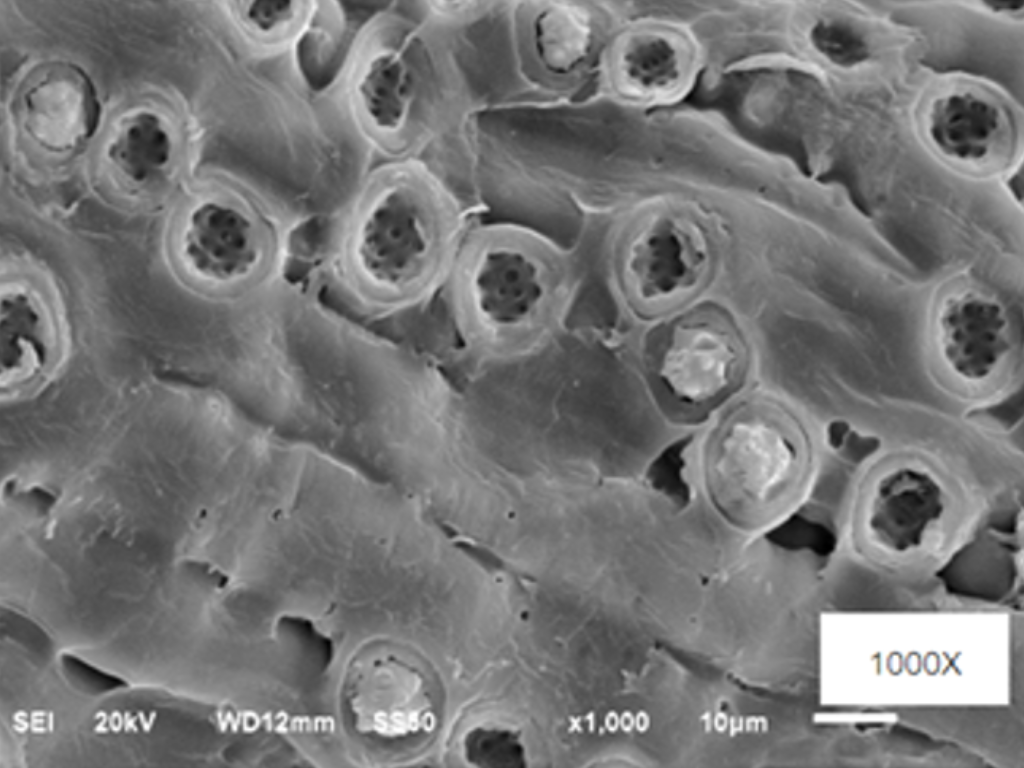
เส้นใยมะพร้าวได้รับความสนใจเพิ่มขึ้นอย่างต่อเนื่องจากคุณสมบัติด้านความยั่งยืน ความเป็นมิตรต่อสิ่งแวดล้อม และศักยภาพในการใช้งานร่วมในวัสดุเชิงประกอบ อย่างไรก็ตามเส้นใยมะพร้าวมีลักษณะความชอบน้ำสูง โครงสร้างไม่สม่ำเสมอ และความสามารถในการยึดเกาะกับวัสดุประสานต่ำ จึงจำเป็นต้องมีการปรับสภาพพื้นผิวเส้นใยให้เหมาะสมก่อนนำไปใช้งาน งานวิจัยนี้มีวัตถุประสงค์เพื่อปรับปรุงสมบัติทางกายภาพ เชิงกล ความไม่ชอบน้ำ และการยึดติดระหว่างวัสดุประสานกับเส้นใยมะพร้าว เพื่อประยุกต์ใช้ในการพัฒนาแผ่นวัสดุตกแต่งผนังภายในอาคารจากเส้นใยมะพร้าวร่วมกับตัวประสานโพลีไวนิลแอลกอฮอล์ โดยการศึกษาการปรับสภาพเส้นใยด้วยสารเคมีแบบลำดับขั้น ได้แก่ โพแทสเซียมเปอร์แมงกาเนตร่วมกับกรดซัลฟิวริกและเบนโซอิลคลอไรด์ รวมถึงกระบวนการการปรับสภาพที่เริ่มจากโซเดียมไฮดรอกไซด์ ตามด้วยโพแทสเซียมเปอร์แมงกาเนตร่วมกับกรดซัลฟิวริกและเบนโซอิลคลอไรด์ ทำการวิเคราะห์สัณฐานวิทยาพื้นผิวของเส้นใยด้วยกล้องจุลทรรศน์อิเล็กตรอนแบบส่องกราด การตรวจสอบองค์ประกอบเชิงธาตุ และการทดสอบสมบัติทางกายภาพและเชิงกลของแผ่นเส้นใยมะพร้าว พบว่า การปรับสภาพเส้นใยด้วยโซเดียมไฮดรอกไซด์สามารถกำจัดผิวชั้นนอกของเส้นใยบางส่วนที่ถูกทำลาย หลุดลอกออกจากกระบวนการบด ส่งผลให้เปิดโครงสร้างผิวเส้นใยให้สารเคมีสามารถทำปฏิกิริยาได้ดีในขั้นตอนต่อมา และช่วยลดการดูดซึมน้ำ ตามด้วยกระบวนการออกซิเดชัน โพแทสเซียมเปอร์แมงกาเนตร่วมกับกรดซัลฟิวริกช่วยเพิ่มความหยาบและพื้นที่ผิวของเส้นใย ส่งผลให้ค่าความต้านแรงดึงของแผ่นเส้นใยเพิ่มขึ้นและเสริมประสิทธิภาพการยึดเกาะระหว่างเส้นใยกับตัวประสาน ขณะที่การปรับสภาพขั้นสุดท้ายด้วยเบนโซอิลคลอไรด์ ซึ่งช่วยลดการดูดซึมน้ำและเพิ่มสมบัติการหน่วงไฟ ถึงแม้ว่าส่งผลให้ความต้านแรงดึงลดลง จากผลการทดลองสามารถสรุปได้ว่าการปรับสภาพด้วยสารเคมีแบบลำดับขั้นมีผลอย่างมีนัยสำคัญต่อโครงสร้าง สัณฐานวิทยา สมบัติทางกายภาพ และสมบัติเชิงกลของของเส้นใยมะพร้าว/แผ่นเส้นใยมะพร้าว โดยการปรับสภาพเส้นใยมะพร้าวแบบลำดับขั้นด้วยโซเดียมไฮดรอกไซด์ตามด้วยโพแทสเซียมเปอร์แมงกาเนตร่วมกับกรดซัลฟิวริกเป็นวิธีที่มีประสิทธิภาพที่สุดในการปรับปรุงสมบัติของเส้นใยมะพร้าวให้เหมาะสมต่อการประยุกต์ใช้ในวัสดุเชิงประกอบ โดยเฉพาะในงานที่ต้องการความแข็งแรงเชิงกลสูง การลดการดูดซึมน้ำ และการยึดเกาะที่ดีระหว่างเส้นใยกับตัวประสานชนิดโพลีไวนิลแอลกอฮอล์
เอกสารอ้างอิง
Bhattacharya SS, Parmar PM. Effect of chemical treatment on physical and mechanical properties of coconut fibre. SAMRIDDHI: A Journal of Physical Sciences, Engineering and Technology. 2022;14(4):1–5. https://doi.org/10.18090/samriddhi.v14i04.32
Nissar M, Chethan KN, Birjerane YA, Patil S, Shetty S, Das A. Coconut coir fiber composites for sustainable architecture: A comprehensive review of properties, processing, and applications. Journal of Composites Science. 2025;9(10):516. https://doi.org/10.3390/jcs9100516
Sahu P, Tiwari S, Om Prakash S. Surface modifications of natural fibers for use in preparation of biocomposites. SAMRIDDHI:
A Journal of Physical Sciences, Engineering and Technology. 2021;13(1):26–34. https://doi.org/10.18090/samriddhi.v13i01.6
Samanth M, Bhat KS. Conventional and unconventional chemical treatment methods of natural fibres for sustainable biocomposites. Sustainable Chemistry for Climate Action. 2023;3:100034. https://doi.org/10.1016/j.scca.2023.100034
Arsyad M, Soenoko R. The effects of sodium hydroxide and potassium permanganate treatment on roughness of coconut fiber surface. In: International Mechanical and Industrial Engineering Conference 2018 (IMIEC 2018); 2018 Aug 30-31; State University of Malang, Indonesia. p. 05004. https://doi.org/10.1051/matecconf/201820405004
Pannu AS, Singh S, Dhawan V. Effect of alkaline treatment on mechanical properties of biodegradable composite (BF/PLA) rod. Materials Today: Proceedings. 2021;46(19):9367–9371. https://doi.org/10.1016/j.matpr.2020.02.912
Verma D, Goh KL. Effect of mercerization/alkali surface treatment of natural fibres and their utilization in polymer composites: Mechanical and morphological studies. Journal of Composites Science. 2021;5(7):175. https://doi.org/10.3390/jcs5070175
Madhushree M, Vairavel P, Mahesha GT, Bhat KS. Oxidative modifications of cellulose: Methods, mechanisms, and emerging applications. Journal of Natural Fibers. 2025;22(1):2497910. https://doi.org/10.1080/15440478.2025.2497910
Mohammed AA, Bachtiar D, Rejab MRM, Hasany SF. Effect of potassium permanganate on tensile properties of sugar palm fibre reinforced thermoplastic polyurethane. Indian Journal of Science and Technology. 2017;10(7):1–5. https://doi.org/10.17485/ijst/2017/v10i7/111453
Birniwa AH, Abdullahi SS, Ali M, Mohammad REA, Jagaba AH, Amran M, et al. Recent trends in treatment and fabrication of plant-based fiber-reinforced epoxy composite: A review. Journal of Composites Science. 2023;7(3):120. https://doi.org/10.3390/jcs7030120
Budiyati E, Saputri FZ, Prasasti RIK, Elwin MR. Study on varied bagasse fiber and epoxy resin compositions with rice bran filler to biocomposite characteristics. JKPK (Jurnal Kimia dan Pendidikan Kimia). 2024;9(1):102–114. https://doi.org/10.20961/jkpk.v9i1.72587
Kavitha SA, Priya RK, Arunachalam KP, Avudaiappan S, Saavedra Flores EI, Blanco D. Experimental investigation on strengthening of Zea mays root fibres for biodegradable composite materials using potassium permanganate treatment. Scientific Reports. 2024;14:12754. https://doi.org/10.1038/s41598-024-58913-y
Boussehel H, Guerira B, Jawaid M, Fouad H, Khiari R. Effect of benzoyl chloride treatment on morphological, thermal, mechanical, and hydrothermal aging properties of date palm/polyvinyl chloride (PVC) composites. Scientific Reports. 2024;14:20384. https://doi.org/10.1038/s41598-024-71489-x
Babayo H, Musa H, Garba MD. Fabrication of benzoyl chloride treated tiger-nut fiber reinforced insect repellent hybrid composite. Scientific Reports. 2022;12:8797. https://doi.org/10.1038/s41598-022-12876-0
Abisha M, Priya RK, Arunachalam KP, Avudaiappan S, Saavedra Flores EI, Parra PF. Biodegradable green composites: Effects of potassium permanganate (KMnO4) treatment on thermal, mechanical, and morphological behavior of Butea Parviflora (BP) fibers. Polymers. 2023;15(9):2197. https://doi.org/10.3390/polym15092197
Li X, Tabil LG, Panigrahi S. Chemical treatments of natural fiber for use in natural fiber-reinforced composites: A review. Journal of Polymers and the Environment. 2007;15:25–33. https://doi.org/10.1007/s10924-006-0042-3
Olusanya SO, Ajayi SM, Sodeinde KO, Fapojuwo DP, Atunde MO, Diduyemi AE, et al. Hydrophobic modification of cellulose from oil palm waste in aqueous medium. Polymer Bulletin. 2024;81:1349-1371. https://doi.org/10.1007/s00289-023-04756-y
Gil H, Zuleta AA, Reyes DE. Mechanical properties and sustainability aspects of coconut fiber modified concrete.
Scientia et Technica. 2021;26(1):64–70. https://doi.org//10.22517/23447214.22901
Bachtiar D, Mohammed AA, Palanisamy S, Imran AI, Siregar JP, Rejab MRM, et al. Effect of alkaline treatment on the thermal and mechanical properties of sugar palm fibre reinforced thermoplastic polyurethane composites. Scientific Reports. 2025;15:14085. https://doi.org/10.1038/s41598-025-99227-x
Osman Z, Elamin M, Ghorbel E, Charrier B. Influence of alkaline treatment and fiber morphology on the mechanical, physical, and thermal properties of polypropylene and polylactic acid biocomposites reinforced with kenaf, bagasse, hemp fibers and softwood. Polymers. 2025;17(7):844. https://doi.org/10.3390/polym17070844
Pulkkinen I, Alopaeus V, Fiskari J, Joutsimo O. The use of fibre wall thickness data to predict handsheet properties of eucalypt pulp fibres. O Papel (Brazil). 2008;69(10):71–85.
Xiao N, Zheng X, Song S, Pu J. Effects of complex flame retardant on the thermal decomposition of natural fiber. BioResources. 2014;9(3):4924–4933. https://doi.org/10.15376/biores.9.3.4924-4933
ดาวน์โหลด
เผยแพร่แล้ว
รูปแบบการอ้างอิง
ฉบับ
ประเภทบทความ
สัญญาอนุญาต
ลิขสิทธิ์ (c) 2025 วารสารวิทยาศาสตร์ประยุกต์ กรมวิทยาศาสตร์บริการ

อนุญาตภายใต้เงื่อนไข Creative Commons Attribution-NonCommercial-NoDerivatives 4.0 International License.