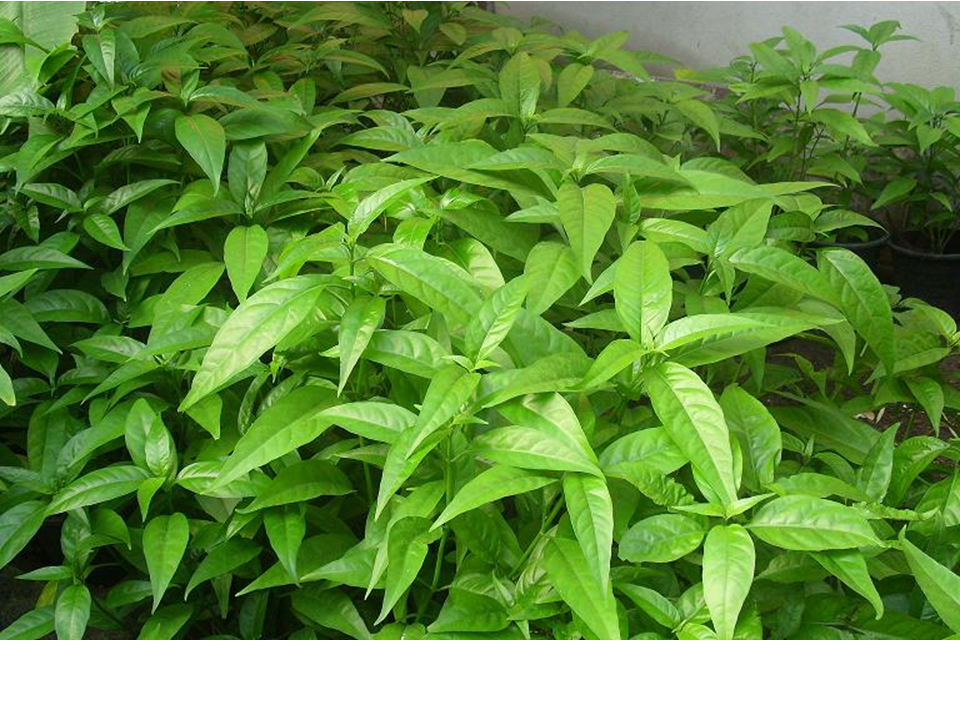
Free radical scavenging of Pseuderatherum Platiferum Extract from Dong Mahawan Subdistrict, Wiang Chiang Rung District, Chiang Rai Province
Article Sidebar
Main Article Content
Abstract
The objective of this research was to investigate the antioxidant activity and total phenolic content of crude extracts from the Phaya Wanorn herb (Pseuderatherum Platiferum), a plant traditionally used in Thai medicine. Extraction was performed using three solvents of different polarities 99.8% ethanol, methanol, and water to compare their efficiency in extracting bioactive compounds. The antioxidant activity was evaluated using 2,2-diphenyl-1-picrylhydrazyl (DPPH) radical scavenging assay. The total phenolic content was analyzed using the Folin-Ciocalteu method, with absorbance measured by a spectrophotometer. The results showed that all three extracts of Pseuderatherum Platiferum exhibited DPPH radical scavenging activity. The methanol extract demonstrated the highest antioxidant activity (IC50 = 0.15±0.01 mg/ml), followed by the water extract (IC50 = 0.18±0.01 mg/ml) and the ethanol extract (IC50 = 0.20±0.01 mg/ml), respectively. The lower IC50 values indicate significantly higher antioxidant efficacy. Furthermore, the analysis of total phenolic content revealed that the methanol extract had the highest polyphenol content (20.50±0.50 mg GAE/g Extract), followed by the water extract (17.40±0.35 mg GAE/g Extract) and the ethanol extract (15.20±0.40 mg GAE/g Extract). This study concluded that the antioxidant activity of the Pseuderatherum Platiferum extracts is directly correlated with the quantity of extracted phenolic compounds. This suggests that the extracts, particularly the methanol extract, have the potential for development into dietary supplements or herbal medicines for the prevention and treatment of diseases associated with free radicals.
Article Details

This work is licensed under a Creative Commons Attribution-NoDerivatives 4.0 International License.
บทความที่ได้รับการตีพิมพ์เป็นลิขสิทธิ์ของวารสาร มรภ.กพ. วิทยาศาสตร์ คณิตศาสตร์ และเทคโนโลยี
ข้อคิดเห็นใดๆ ที่ปรากฎในวารสารเป็นวรรณกรรมของผู้เขียนโดยเฉพาะ ซึ่งมหาวิทยาลัยราชภัฏกำแพงเพชรและบรรณาธิการไม่จำเป็นต้องเห็นด้วย
References
Parsons, A. F. (2000). An Introduction to Free Radicals Chemistry. Cambridge: Cambridge Univ. Press.
กนกวรรณ จารุกำจร, วิลัดดา สินทร, และชรินญา พิมพ์สอน. (2557). ความสัมพันธ์ของภาวะเครียดออกซิเดชั่นและภาวะไขมันในเลือดสูง. วารสารพิษวิทยาไทย, 29(1-2), 57-69.
พีรวิชญ์ พาดี, และสมศักดิ์ นวลแก้ว. (2552). ข้อเท็จจริงเกี่ยวกับสมุนไพรพญาวานรหรือฮว่านง็อก. วารสารวิชาการสาธารณสุข, 18(1), 131-138.
ณันญรัตน์ คุ้มครอง, ภูวดล เหมชะรา, นัสวัล บุญวงศ์, พีรวัจน์ ชูเพ็ง, และ ถนอม ห่อวงศ์สกุล. (2565). ผลของการเสริมใบพญาวานรในอาหารต่อค่าโลหิตวิทยา คุณภาพซาก และเนื้อในไก่เนื้อ. วารสารวิทยาศาสตร์และนวัตกรรมการเกษตร, 53(1), 1-18.
สวนพฤกษศาสตร์ทวีชลเชียงใหม่ ประเทศไทย. (2568). ฮว่านง็อก. สืบค้นจาก https://www.tweecholbotanic garden.com/data.php?id=305
Pukklay, P., Saema, P., & Sanyawong, N. (2010). Phytochemical contents and antimutagenicity of Hoan Ngoc extracts. Asian Health, Science and Technology Reports, 18(1), 49–54. retrieved from https://ph03.tci-thaijo.org/index.php/ahstr/article/view/2350
สุภกร บุญยืน, ปาริยา ณ นคร และนิ รมล ศากยวงศ์. (2559). ฤทธิ์ต้านอนุมูลอิสระ ฤทธิ์ต้านแบคทีเรีย ปริมาณฟีนอลลิคทั้งหมด และปริมาณฟลาโวนอยด์ทั้งหมดของสารสกัดพืชหางนกยูง. Thai Journal of Science and Technology, 5(1), 20–28.
ปริชาติ เทพทอง, และฐิติยา ลูกแป้น. (2564). ปริมาณฟีนอลิกรวม ฤทธิ์ต้านออกซิเดชันและฤทธิ์ยับยั้งเอนไซม์ไทโรซิเนสของสารสกัดรากมะพูด. ASEAN Journal of Scientific and Technological Reports, 24(1), 94–104.
Olah, S. O. A., et al. (2018). The Correlation between the Content of Phenolic Compounds Extracted with Different Solvents and the Antioxidant Capacity of Nettle (Urtica dioica L.). Revista de Chimie, 69(1), 1-5. retrieved from https://www.researchgate.net/figure/The-correlation-between-the-content-of-phenolic-compounds-extracted-with-different_fig1_381517615
Hussain, M. G., et al. (2021). Relationship between Total Phenolic Content, Antioxidant Capacity, Fe and Cu Content from Tea Plant Samples at Different Brewing Times. Materials, 14(8), 1-15. retrieved from https://www.mdpi.com/2227-9717/9/8/1311
