
สมบัติเชิงกายภาพของอิฐปูพื้นที่มีส่วนผสมของผงหินอ่อนและเกล็ดหินอ่อน
Article Sidebar
Main Article Content
บทคัดย่อ
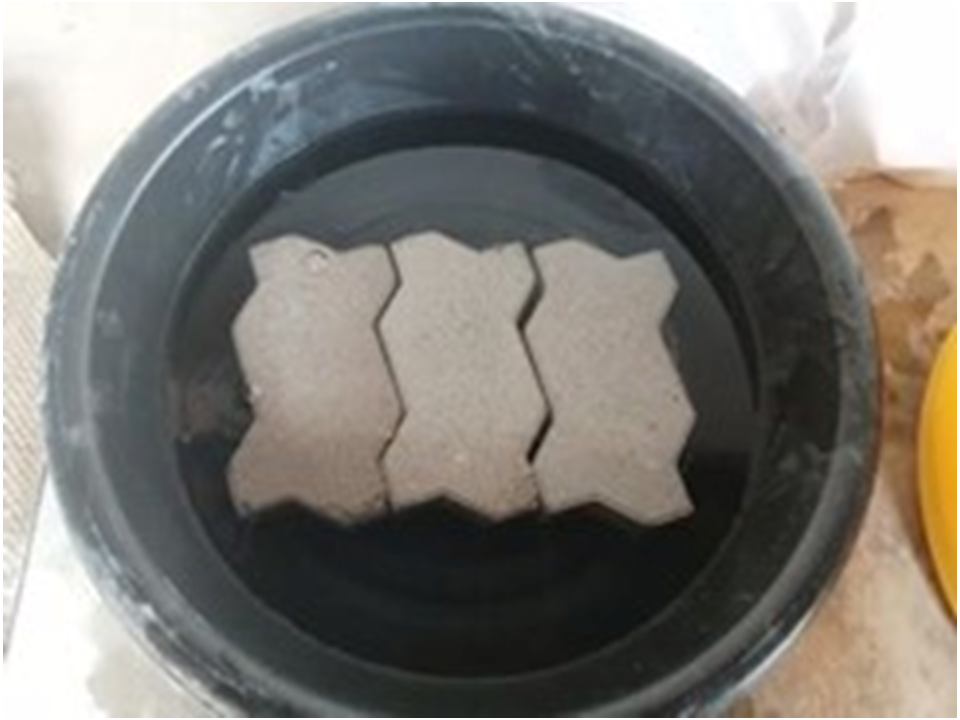
การศึกษาวิจัยนี้มีวัตถุประสงค์เพื่อใช้ประโยชน์ผงหินอ่อนและเกล็ดหินอ่อนที่เป็นวัสดุเหลือทิ้งจากอุตสาหกรรมหินอ่อน ในอำเภอพรานกระต่าย จังหวัดกำแพงเพชร โดยการนำไปเป็นส่วนผสมเพื่อผลิตอิฐปูพื้นรูปคดกริช ขึ้นรูปขนาด 11 x 22 x 6 เซนติเมตร เมื่อศึกษาสมบัติทางกายภาพของอิฐปูพื้นที่ผลิตได้ พบว่าอิฐปูพื้นที่มีอัตราส่วนผสมโดยมวล ระหว่างปูนซีเมนต์ : ทราย : ผงหินอ่อน : เกล็ดหินอ่อน เท่ากับ 0.5 : 0.4 : 0 : 0.1 กิโลกรัมเป็นอัตราส่วนที่ให้ค่าทดสอบดีที่สุด มีค่าความหนาแน่น 1.90 กรัมต่อลูกบาศก์เซนติเมตร อัตราการดูดซึมน้ำร้อยละ 6.85 และค่ารับกำลังอัด 34.06 เมกะปาสคาล เนื่องจากมีปูนซีเมนต์เป็นตัวยึดเกาะระหว่างส่วนผสมและเพิ่มความแข็งของอิฐปูพื้น เกล็ดหินอ่อนช่วยเพิ่มช่องว่างภายในอิฐทำให้มีการระบายน้ำได้ดีลดการดูดซึมน้ำ ค่าการทดสอบไม่เป็นไปตามมาตรฐานอุตสาหกรรม มอก.827-2531 แต่สามารถใช้เป็นอิฐปูพื้นทางเดินเท้า ประดับตกแต่งได
Article Details

อนุญาตภายใต้เงื่อนไข Creative Commons Attribution-NoDerivatives 4.0 International License.
บทความที่ได้รับการตีพิมพ์เป็นลิขสิทธิ์ของวารสาร มรภ.กพ. วิทยาศาสตร์ คณิตศาสตร์ และเทคโนโลยี
ข้อคิดเห็นใดๆ ที่ปรากฎในวารสารเป็นวรรณกรรมของผู้เขียนโดยเฉพาะ ซึ่งมหาวิทยาลัยราชภัฏกำแพงเพชรและบรรณาธิการไม่จำเป็นต้องเห็นด้วย
เอกสารอ้างอิง
นงลักษณ์ จันทร์พิชัย. (2561). สมบัติทางกายภาพและสมบัติเชิงกลของหินอ่อนเขาสว่างอารมณ์ อำเภอพรานกระต่าย จังหวัดกำแพงเพชร. สักทอง วารสารวิทยาศาสตร์และเทคโนโลยี, 5(2), 55-63.
สุทธินี โฆษิตานนท์. (2554). การพัฒนาสูตรน้ำเคลือบผลิตภัณฑ์กระเบื้องจากผงหินอ่อนบ้านเขาสว่าง อำเภอพรานกระต่าย จังหวัดกำแพงเพชร. กำแพงเพชร: สาขาวิชาเทคโนโลยีอุตสาหกรรมเพื่อพัฒนาท้องถิ่น มหาวิทยาลัยราชภัฏกำแพงเพชร.
เอกสิทธิ์ เทียนมาศ และ สุรเชษฐ์ ตุ้มมี. (2562). การศึกษาสมบัติของแผ่นคอนกรีตปูพื้นทางเท้าผสมผงหินอ่อน. สักทอง วารสารวิทยาศาสตร์และเทคโนโลยี, 6(1), 73-82.
อาทร ชูพลสัตย์ และ ณิชาภา มินาบูลย์. (2561). การพัฒนาเพื่อเพิ่มคุณสมบัติของบล็อกปูพื้นที่ผลิตจากการหมุนเวียนวัสดุชั้นทางเดิมมาใช้งานใหม่ (รายงานผลการวิจัย). นครปฐม: มหาวิทยาลัยเทคโนโลยีราชมงคลรัตนโกสินทร์.
ณัฐวุฒิ อินทบุตร. (2561). การศึกษาและพัฒนาอิฐบล็อกประสานจากดินตะกอนที่เหลือทิ้งในการผลิตน้ำประปาและผักตบชวา (รายงานการวิจัย). สุพรรณบุรี: มหาวิทยาลัยเทคโนโลยีราชมงคลสุวรรณภูมิ.
สำนักงานมาตรฐานผลิตภัณฑ์อุตสาหกรรม กระทรวงอุตสาหกรรม. (2557). มาตรฐานเลขที่ มอก. 827-2531คอนกรีตบล็อกประสานปูพื้น. กรุงเทพฯ: กระทรวงอุตสาหกรรม. สืบค้น 25 กุมภาพันธ์ 2562. จาก https://www.tisi.go.th/data/PR/pdf/R827_2531_00.pdf
