การศึกษาผลการจัดการเรียนรู้แบบซิปปาร่วมกับบทเรียนคอมพิวเตอร์ช่วยสอน ต่อผลสัมฤทธิ์ทางการเรียนวิชาเคมีเรื่องสารละลาย ของนักเรียนชั้นมัธยมศึกษาชั้นปีที่ 4 โรงเรียนปางศิลาทองศึกษา จังหวัดกำแพงเพชร
Article Sidebar
Main Article Content
บทคัดย่อ
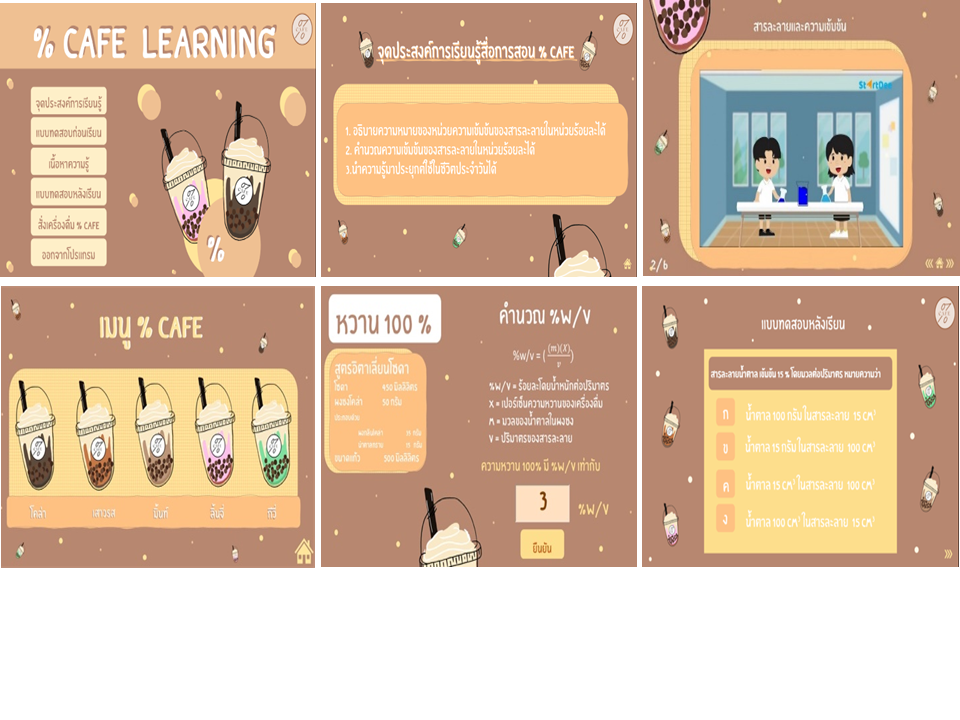
การวิจัยครั้งนี้มีวัตถุประสงค์เพื่อศึกษาผลการจัดการเรียนรู้แบบซิปปา (CIPPA model) ร่วมกับบทเรียนคอมพิวเตอร์ช่วยสอน (CAI) ที่มีต่อผลสัมฤทธิ์ทางการเรียนวิชาเคมีเรื่องสารละลาย ในภาคเรียนที่ 2 ปีการศึกษา 2567 ของนักเรียนชั้นมัธยมศึกษาปีที่ 4 โรงเรียนปางศิลาทองศึกษา จำนวน 2 ห้องเรียน โดยการสุ่มห้องเรียนด้วยวิธีการสุ่มแบบกลุ่มเป็นกลุ่มทดลอง จำนวน 38 คน และกลุ่มควบคุมจำนวน 39 คน เครื่องมือที่ใช้ในการวิจัย ได้แก่ 1) บทเรียน CAI เรื่องสารละลาย 2) แผนการจัดการเรียนรู้เรื่องสารละลายแบบ CIPPA model ร่วมกับบทเรียน CAI 3) แผนการจัดการเรียนรู้เรื่องสารละลายแบบ CIPPA model 4) แบบทดสอบวัดผลสัมฤทธิ์ทางการเรียนเรื่องสารละลาย และ 5) แบบสอบถามความพึงพอใจต่อบทเรียน CAI ใช้สถิติในการวิเคราะห์ข้อมูล ได้แก่ ค่าเฉลี่ย ค่าความเบี่ยงเบนมาตรฐาน การวิเคราะห์ t-test แบบ independent และ แบบ dependent ผลการวิจัยพบว่าบทเรียนคอมพิวเตอร์ช่วยสอนวิชาเคมี เรื่อง สารละลาย มีค่าประสิทธิภาพ E1/E2 เท่ากับ 80.26/80.53 โดยนักเรียนมีความพึงพอใจต่อบทเรียน CAI อยู่ในระดับมาก ( = 4.34, SD = 0.69) ผลสัมฤทธิ์ทางการเรียนของนักเรียนที่ได้รับการจัดการเรียนรู้แบบซิปปาร่วมกับบทเรียนคอมพิวเตอร์ช่วยสอนหลังเรียนสูงกว่านักเรียนที่ได้รับการจัดการเรียนรู้แบบซิปปาเพียงวิธีเดียวอย่างมีนัยสำคัญทางสถิติที่ระดับ 0.05
Article Details

อนุญาตภายใต้เงื่อนไข Creative Commons Attribution-NoDerivatives 4.0 International License.
บทความที่ได้รับการตีพิมพ์เป็นลิขสิทธิ์ของวารสาร มรภ.กพ. วิทยาศาสตร์ คณิตศาสตร์ และเทคโนโลยี
ข้อคิดเห็นใดๆ ที่ปรากฎในวารสารเป็นวรรณกรรมของผู้เขียนโดยเฉพาะ ซึ่งมหาวิทยาลัยราชภัฏกำแพงเพชรและบรรณาธิการไม่จำเป็นต้องเห็นด้วย
เอกสารอ้างอิง
ภพ เลาหไพบูลย์. (2542). แนวการสอนวิทยาศาสตร์ ฉบับปรับปรุง (พิมพ์ครั้งที่ 3). กรุงเทพฯ: โรงพิมพ์ไทยวัฒนาพานิช.
กชนนท์ ขวัญพุฒ (2562). การศึกษาผลการจัดการเรียนรู้แบบสืบเสาะหาความรู้ร่วมกับบทเรียนคอมพิวเตอร์ช่วยสอนที่มีต่อผลสัมฤทธิ์ทางการเรียนวิชาเคมี ความพึงพอใจต่อบทเรียนคอมพิวเตอร์ช่วยสอนสำหรับนักเรียนชั้นมัธยมศึกษาปีที่ 5. ชลบุรี: คณะศึกษาศาสตร์ มหาวิทยาลัยบูรพา.
ประคอง แจ่มใส. (2554). การศึกษาผลสัมฤทธิ์ทางการเรียนวิชาเคมีเพิ่มเติม 1 และความสามารถในการคิดแก้ปัญหาทางวิทยาศาสตร์ของนักเรียนชั้นมัธยมศึกษาปีที่ 4 ที่ได้รับการจัดการเรียนรู้แบบย้อนกลับ (Backward Design) และการจัดการเรียนรู้แบบซิปปา (Cippa Model). กรุงเทพฯ : มหาวิทยาลัยศรีนครินทรวิโรฒ.
เพิ่มพูน ชิดชอบ. (2567, ตุลาคม 17). ประกาศกระทรวงศึกษาธิการ เรื่อง นโยบายการศึกษาของกระทรวงศึกษาธิการ ประจำปีงบประมาณ พ.ศ. 2568-2569. กระทรวงศึกษาธิการ.
ภัทรสุดา ภาสศักดิ์ชัย และมะยูโซ๊ะ กูโน. (2558). การพัฒนาบทเรียนคอมพิวเตอร์ช่วยสอน เรื่อง ปฏิกิริยาเคมี สำหรับนักเรียนชั้นมัธยมศึกษาปีที่ 2. กรุงเทพฯ : มหาวิทยาลัยศิลปากร.
นพดล ผู้มีจรรยา และฐิตากร เพชรกันกิ่ม. (2563), การพัฒนาบทเรียนคอมพิวเตอร์ช่วยสอนร่วมกับกระบวนการเรียนรู้แบบซิปปา เรื่อง ข้อมูลสารสนเทศและอินเทอร์เน็ต สำหรับนักเรียนชั้นประถมศึกษาปีที่ 5. กรุงเทพฯ : วารสารศึกษาศาสตร์ มหาวิทยาลัยศิลปากร, 19 (2), 337-350.
กชนนท์ ขวัญพุฒ (2562). การศึกษาผลการจัดการเรียนรู้แบบสืบเสาะหาความรู้ร่วมกับบทเรียนคอมพิวเตอร์ช่วยสอนที่มีต่อผลสัมฤทธิ์ทางการเรียนวิชาเคมี ความพึงพอใจต่อบทเรียนคอมพิวเตอร์ช่วยสอนสำหรับนักเรียนชั้นมัธยมศึกษาปีที่ 5 [วิทยานิพนธ์ปริญญามหาบัณฑิต ไม่ได้ตีพิมพ์]. มหาวิทยาลัยบูรพา.
สมบัติ ท้ายเรือคำ. (2555). ระเบียบวิธีวิจัยสำหรับมนุษยศาสตร์และสังคมศาสตร์ (พิมพ์ครั้งที่5). สำนักพิมพ์มหาวิทยาลัยมหาสารคาม.
ภัทรสุดา ภาสศักดิ์ชัย และมะยูโซ๊ะ กูโน. (2558). การพัฒนาบทเรียนคอมพิวเตอร์ช่วยสอน เรื่อง ปฏิกิริยาเคมีสำหรับนักเรียนชั้นมัธยมศึกษาปีที่ 2. วารสารมหาวิทยาลัยศิลปากร. 8(2), 483-492.
นพดล ผู้มีจรรยา และฐิตากร เพชรกันกิ่ม. (2563). การพัฒนาบทเรียนคอมพิวเตอร์ช่วยสอนร่วมกับกระบวนการเรียนรู้แบบซิปปา เรื่อง ข้อมูลสารสนเทศและอินเทอร์เน็ต สำหรับนักเรียนชั้นประถมศึกษาปีที่ 5. วารสารศึกษาศาสตร์ มหาวิทยาลัยศิลปากร, 19(2), 337-350.
