Development and Evaluation of Sugar-Free Bengal Currant (Carissa carandas L.) Instant Beverage Powders: Physicochemical Properties, Total Phenolic Content, Antioxidant Activity, and Nutritional Composition
DOI:
https://doi.org/10.69650/ahstr.2026.4497Keywords:
Bengal currant (Carissa carandas), Sugar-free beverage, Instant beverage powder, Phenolic content, Functional foodAbstract
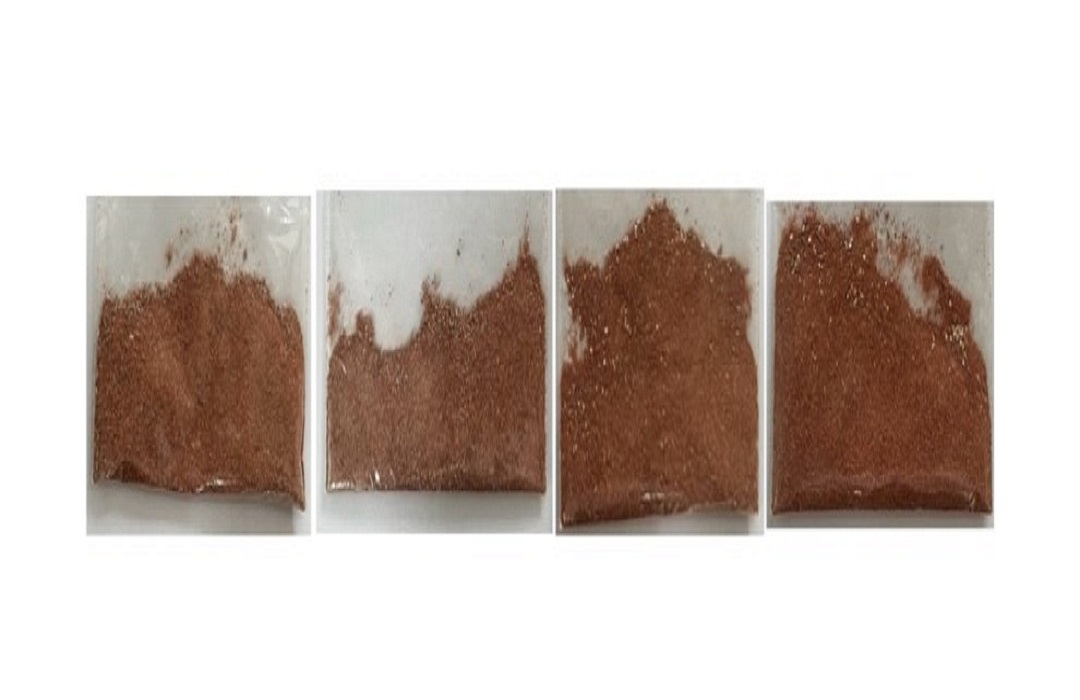
This study details the formulation of a sugar-free instant beverage powder derived from Bengal currant (Carissa carandas L.), with a comprehensive evaluation of its physicochemical characteristics and reconstitution properties. Fresh Bengal currant pulp was homogenized with 10% (w/w) maltodextrin, oven-dried at 60 °C for 8 h, milled, and sieved to produce powder (yield 13.3% w/w). Three sucralose-sweetened formulations containing 10–20% fruit powder were compared with a sucrose-sweetened control to investigate the effects of fruit concentration and sweetener type. Physicochemical analyses included color, water activity (aw), pH, and water solubility index (WSI). Total phenolic content was quantified using the Folin-Ciocalteu assay, while antioxidant capacity was evaluated via the DPPH free-radical scavenging assay. Nutritional composition was calculated using INMUCAL-Nutrients. All formulations exhibited low water activity (0.40–0.48) and acidic pH (2.93–2.99), indicating favorable microbiological stability. The powders exhibited a reddish-yellow color. The WSI ranged from 60.08 to 66.01%, with higher values observed in formulations with lower fruit powder content. Total phenolic content ranged from 10.07 to 14.07 mg GAE/g, with the 15% fruit formulation (F2) showing the highest phenolic retention. Antioxidant activity, determined by the DPPH assay, ranged from 43.20 to 53.97% inhibition, with the 20% fruit formulation (F3) exhibiting the highest activity. Replacement of sucrose with sucralose markedly reduced energy and available carbohydrate compared with the control. Increasing the proportion of fruit powder enhanced the mineral and provitamin A content. Formulation F2 is recommended for further development due to its high phenolic retention and potential cost-effectiveness. These results suggest that Bengal currant powder can be effectively utilized to produce health-oriented, low-calorie functional beverages. The product shows potential as a convenient, low-sugar fruit-based beverage alternative, while further studies on sensory acceptability and storage stability are recommended to support commercialization.
References
Akther, S., Alim, M. A., Badsha, M. R., Matin, A., Ahmad, M., & Hoque, S. M. Z. (2020). Formulation and quality evaluation of instant mango drink powder. Food Research, 2550-2166. https://www.myfoodresearch.com/uploads/8/4/8/5/84855864/fr-2020-077.pdf
Bochnak-Niedzwiecka, J., & Swieca, M. (2020). Quality of New Functional Powdered Beverages Enriched with Lyophilized Fruits — Potentially Bioaccessible Antioxidant Properties, Nutritional Value, and Consumer Analysis. Applied Sciences, 10(11), 3668. https://doi.org/10.3390/app10113668
Dhatwalia, J., Kumari, A., Verma, R., Upadhyay, N., Guleria, I., Lal, S., Thakur, S., Gudeta, K., Kumar, V., Chao, J. C-J., Sharma, S., Kumar, A., Manicum, A-L. E., Lorenzo, J. M., Amarowicz, R. (2021). Phytochemistry, pharmacology, and nutraceutical profile of Carissa species: An updated review. Molecules, 26(22), 7010. https://doi.org/10.3390/molecules26227010
Fakhri, L. A., Ghanbarzadeh, B., & Falcone, P. M. (2023). New healthy low-sugar and carotenoid-enriched/high-antioxidant beverage: Study of optimization and physicochemical properties. Foods, 12(17), 3265. https://doi.org/10.3390/foods12173265
Fernandez-Ramirez, B., Varela-González, S., de-Elías-Izquierdo, E., & González-Martínez, C. (2022). Designing functional fruit-based recovery drinks in powder form. Molecules, 26(18), 5607. https://doi.org/10.3390/molecules26185607
Gallagher, A. M., Ashwell, M., Halford, J. C. G., Hardman, C. A., Maloney, N. G., & Raben, A. (2021). Low-calorie sweeteners in the human diet: scientific evidence, recommendations, challenges and future needs. Journal of Nutritional Science, 10, e7. https://doi.org/10.1017/jns.2020.59
Ghanbari, R., Abbasi, M., Farhadi, F., & Koocheki, A. (2021). Effects of non-nutritive sweeteners on sensory attributes, polyphenol bioaccessibility, and antioxidant activity of reformulated beverages. Food Chemistry, 365, 130501. https://doi.org/10.1016/j.foodchem.2021.130501
Hasnul Hadi, M. H., Ker, P. J., Thiviyanathan, V. A., Tang, S. G. H., Leong, Y. S., Lee, H. J., Hannan, M. A., Jamaludin, M. Z., & Mahdi, M. A. (2021). The amber-colored liquid: A review on the color standards, methods of detection, issues and recommendations. Sensors, 21(20), 6866. https://doi.org/10.3390/s21206866
Jagelaviciute, J., simkute, S., Kaire, A., Kaminskyte, G., Bašinskiene, L., & cizeikiene, D. (2025). Physicochemical characterization of soluble and insoluble fibers from berry pomaces. Gels, 11(10), 796. https://doi.org/10.3390/gels11100796
Jaroennon, P., & Manakla, S. (2021). Evaluation of Physicochemical, Sensory, Antioxidant and Nutritional Properties of Latte Drinks from Chaya (Cnidoscolus aconitifolius) Leaves. Thai Journal of Public Health, 51(1), 25-32.
Jaroennon, P., Nuanchankong, J., & Manakla, S. (2023). Formulation of Gelatin-Based Wheatgrass Leaf Juice Gummy Jellies with Antioxidant and the Analyses of Physicochemical and Texture Properties as Well as Evaluate the Nutritional Property of Selected Formulation. Journal of Food Health and Bioenvironmental Science, 16(1), 46-53.
Khuanekkaphan, M., Khobjai, W., Noysang, C., Wisidsri, N., & Thungmungmee, S. (2021). Bioactivities of karanda (Carissa carandas Linn.) fruit extracts for novel cosmeceutical applications. Journal of Advanced Pharmaceutical Technology & Research, 12(2), 162–168. https://doi.org/10.4103/japtr.JAPTR_254_20
Kumar, M., Saurabh, V., Tomar, M., Hasan, M., Changan, S., Sasi, M., … & Amarowicz, R. (2024). Nutritional composition, phytochemical profile, and antioxidant activity of tropical fruits: A review. Molecules, 29(1), 123. https://doi.org/10.3390/molecules29010123
Li, S., Mao, X., Guo, L., & Zhou, Z. (2022). Influence of drying methods on color and physicochemical properties of fruit powders. Foods, 11(4), 510. https://doi.org/10.3390/foods11040510
Liu, S., Roopesh, M. S., Tang, J., Wu, Q., & Qin, W. (2022). Recent development in low-moisture foods: Microbial safety and thermal process. Food Research International, 155, 111072. https://doi.org/10.1016/j.foodres.2022.111072
Magnuson, B. A., Carakostas, M. C., Moore, N. H., Poulos, S. P., & Renwick, A. G. (2017). Biological fate of low-calorie sweeteners. Nutrition Reviews, 74(11), 670–689. https://doi.org/10.1093/nutrit/nuw043
Melendez-Martinez, A. J., Mandić, A.I., Bantis, F., Böhm, V., Borge, G. I. A., Brnčić, M., Bysted, A., Cano, M. P., Dias, M. G., Elgersma, A., Fikselová, M., García-Alonso, J., Giuffrida, D., Gonçalves, V. S. S., Hornero-Méndez, D., Kljak, K., Lavelli, V., Manganaris, G. A., Mapelli-Brahm, P., Marounek, M., Olmedilla-Alonso, B., Periago-Castón, M. J., Pintea, A., Sheehan, J. J., Šaponjac, V. T., Valšíková-Frey, M., Meulebroek, L. V., & O'Brien, N. (2022). A comprehensive review on carotenoids in foods and feeds: status quo, applications, patents, and research needs. Critical Reviews in Food Science and Nutrition, 62(8), 1999–2049. https://doi.org/10.1080/10408398.2020.1867959
Muangsri, K., Tokaew, w., Sridee, S., &Chaiyasit, K. (2021). Health communication to reduce sugar consumption in Thailand. Functional Foods in Health and Disease, 11(10), 484-498.
Neimkhum, W., Anuchapreeda, S., Lin, W.-C., Lue, S.-C., Lee, K.-H., & Chaiyana, W. (2021). Effects of Carissa carandas Linn. fruit, pulp, leaf, and seed on oxidation, inflammation, tyrosinase, matrix metalloproteinase, elastase, and hyaluronidase inhibition. Antioxidants, 10(9), 1345. https://doi.org/10.3390/antiox10091345
Pismag, R. Y., Rivera, J. D., Hoyos, J. L., Bravo, J. E., & Roa, D. F. (2024). Effect of extrusion cooking on physical and thermal properties of instant flours: A review. Frontiers in Sustainable Food Systems, 8, 1398908. https://doi.org/10.3389/fsufs.2024.1398908
Rafiquzzaman, M., Hossain, M. A., Dwip, R. R., Jahan, M., & Hasan, S. M. K. (2025). Freeze-dried instant juice powders from guava, amla, and jamun: Evaluation of physicochemical properties, bioactive compounds, and consumer acceptance. Food Science & Nutrition, 13(6), e70374. https://doi.org/10.1002/fsn3.70374
Rostampour, K., Moghtaderi, F., Najafi, A. H., Seyedjafari, B., & Salehi-Abargouei, A. (2024). The effects of non-nutritive sweeteners on energy and macronutrients intake in adults: A GRADE-assessed systematic review and meta-analyses of randomized controlled trials. Frontiers in Nutrition, 11, Article 1475962. https://doi.org/10.3389/fnut.2024.1475962
Rostampour, N., Panahi, S., Clark, C. C. T., Baker, J. S., & Tam, C. S. (2024). Acceptability and metabolic impacts of sucrose versus non-nutritive sweeteners in beverages among individuals with type 2 diabetes: A randomized controlled trial. Nutrition, 119, 112308. https://doi.org/10.1016/j.nut.2024.112308
Russell, C., Grimes, C., Baker, P., Sievert, K., & Lawrence, M. A. (2021). The drivers, trends and dietary impacts of non-nutritive sweeteners in the food supply: A narrative review. Nutrition Research Reviews, 34(2), 185–208. https://doi.org/10.1017/S0954422420000268
Saeed, W., Ismail, T., Qamar, M., & Esatbeyoglu, T. (2024). Bioactivity profiling and phytochemical analysis of Carissa carandas extracts: Antioxidant, anti-inflammatory, and anti-urinary tract infection properties. Antioxidants, 13(9), 1037. https://doi.org/10.3390/antiox13091037
Santos, D. T., Veggi, P. C., & Meireles, M. A. A. (2024). Phenolic compounds and antioxidant activity of tropical fruit residues: A review. Antioxidants, 13(9), 976. https://doi.org/10.3390/antiox13090976
Saxena, S., Gautam, S., & Sharma, A. (2021). Anthocyanin composition and stability in fruit powders. Journal of Food Composition and Analysis, 99, 103902. https://doi.org/10.1016/j.jfca.2021.103902
Seke, F., Adiamo, O. Q., Sultanbawa, Y., & Sivakumar, D. (2023). In vitro antioxidant activity and stability of fruit polyphenols. Foods, 12(21), 4045. https://doi.org/10.3390/foods12214045
Singh, S., Bajpai, M., & Mishra, P. (2020). Carissa carandas L. – phyto-pharmacological review. Journal of Pharmacy and Pharmacology, 72(12), 1694–1714. https://doi.org/10.1111/jphp.13328
Srisuk, N., & Jirasatid, S. (2023). Development of instant pumpkin-fingerroot drink powder and its shelf life modeling. Life Sciences and Environment Journal, 24(1), 161–182. https://doi.org/10.14456/lsej.2023.14
Suwannakham, S., Klinkesorn, U., & Sophanodora, P. (2023). Extraction and characterization of glucosylceramides and steryl glucosides from rice bran. Current Research in Food Science, 6, 100432. https://doi.org/10.1016/j.crfs.2023.100432
Sylvetsky, A. C., & Rother, K. I. (2016). Trends in the consumption of low-calorie sweeteners. Physiology & Behavior, 164(Pt B), 446–450. https://doi.org/10.1016/j.physbeh.2016.03.030
Wanna, C., Soi-Ampornkul, R., & Sawangdee, Y. (2024). Comparative evaluation of physicochemical compositions, antioxidant activities and microbiological quality of three chili pastes from Carissa carandas L. under different conditions. Food Research, 8(1), 70–81. https://doi.org/10.26656/fr.2017.8(1).303
Xie, Y., Xu, J., Yang, R., Alshammari, J., Zhu, M.-J., Sablani, S., & Tang, J. (2021). Moisture content of bacterial cells determines thermal resistance of Salmonella enterica serotype Enteritidis PT 30. Applied and Environmental Microbiology, 87(3), e02194-20. https://doi.org/10.1128/AEM.02194-20
Downloads
Published
How to Cite
License
Copyright (c) 2026 Asian Health, Science and Technology Reports

This work is licensed under a Creative Commons Attribution-NonCommercial 4.0 International License.